


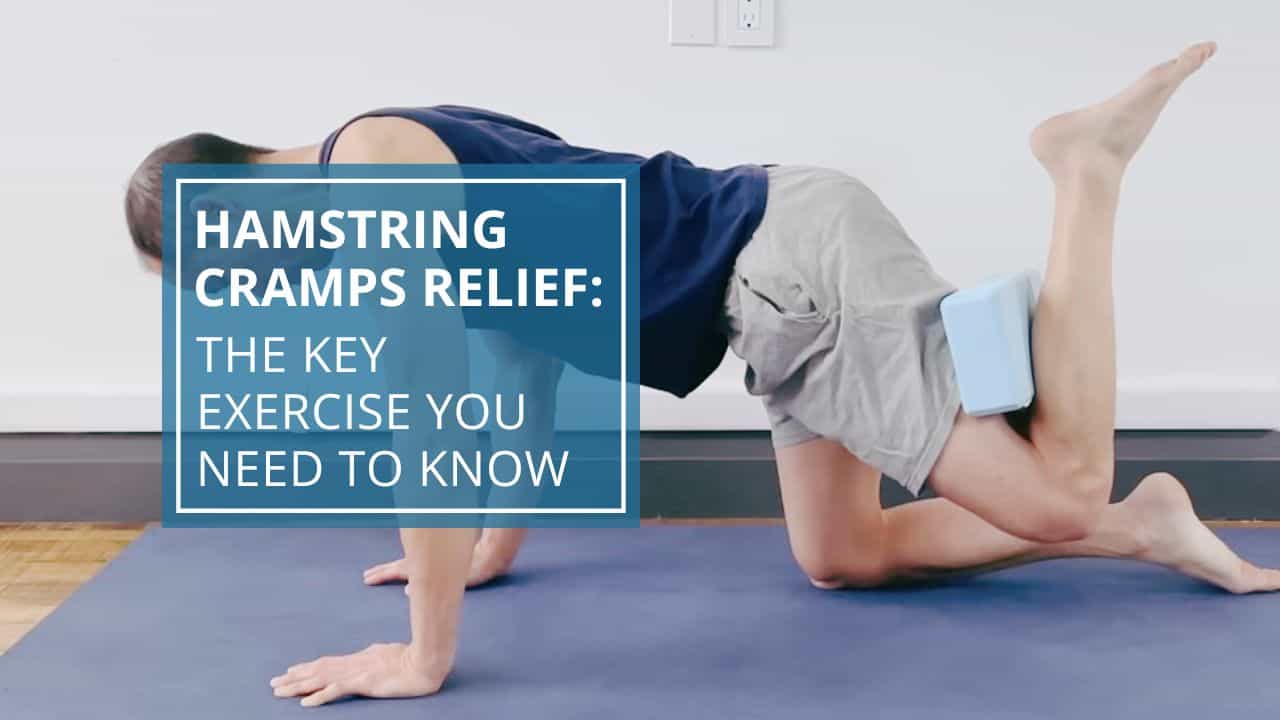
If you’ve ever experienced intense hamstring cramps during exercises like hip bridges, you’re not alone. These cramps can strike suddenly, leaving you frustrated and questioning your form.
But what if I told you that the culprit isn’t electrolytes or dehydration? Instead, it’s all about how your brain communicates with your hamstrings.
In this article, we’ll dive into why these cramps happen and introduce an effective exercise for hamstring cramps relief that retrains your neuromuscular system for pain-free movement.
What Causes Hamstring Cramps?
Hamstring cramps occur when your muscles contract involuntarily and can’t relax. Common advice often points to dehydration or a lack of electrolytes like calcium or magnesium. While these factors play a role in general muscle health, they don’t fully explain cramps during exercises like hip bridges.
The real issue lies in neuromuscular control, specifically in how your brain interacts with your hamstrings at certain ranges of motion.
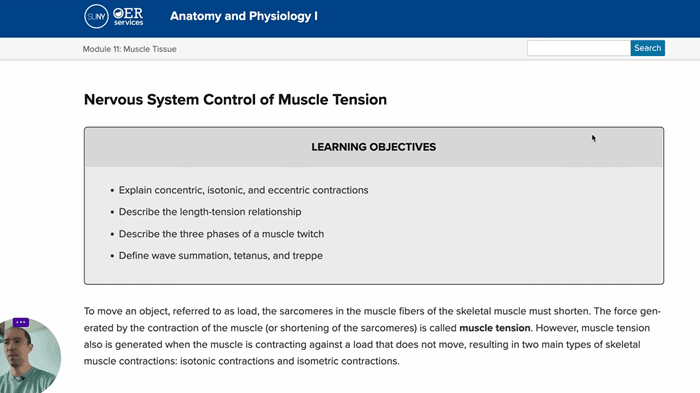
Understanding the Length-Tension Relationship
The length-tension relationship explains how a muscle’s ability to generate force changes depending on its length. At a muscle’s optimal length, its fibers overlap perfectly to create maximum force. But when a muscle is too shortened (as in hip bridges when your heels are close to your glutes), it loses this optimal overlap, reducing force production and causing your brain to panic.
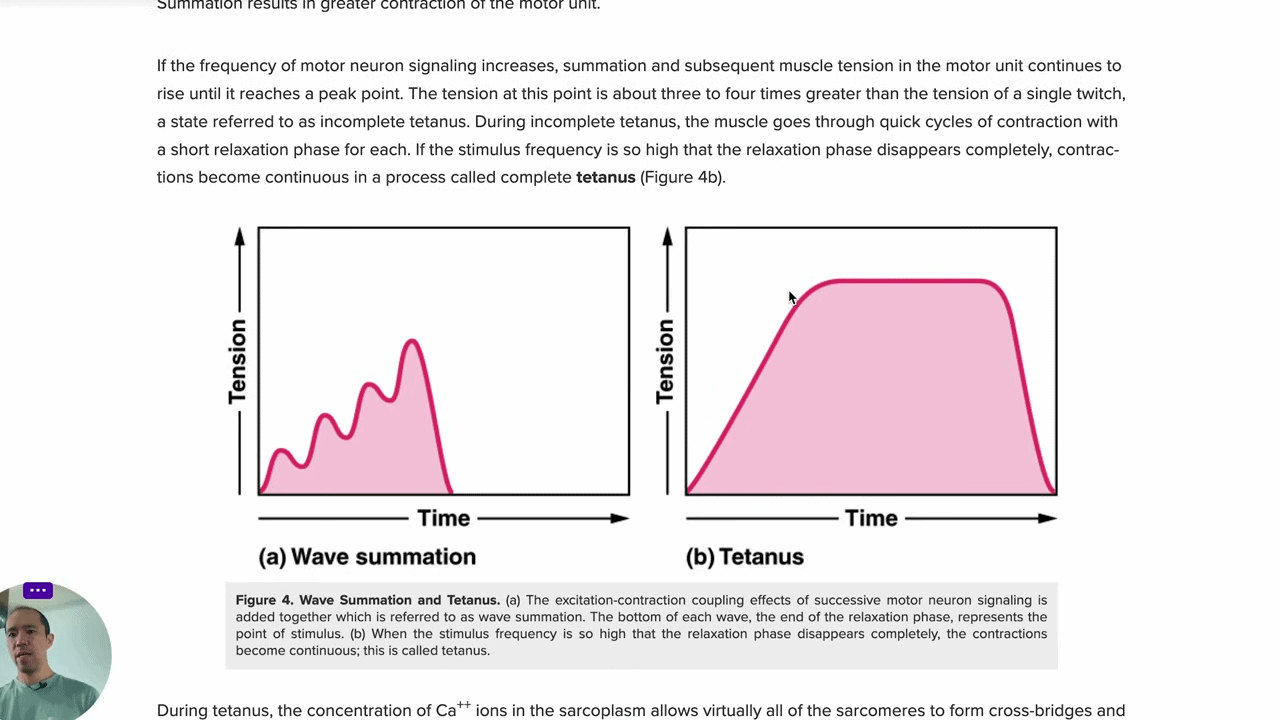
This panic triggers tetanus, a state where all muscle fibers fire at once, resulting in a cramp. It’s your brain’s way of compensating for poor control in that shortened range of motion. [1]
How to Stop Hamstring Cramps for Good
The key to preventing hamstring cramps isn’t drinking more water or taking supplements—it’s teaching your brain to better control your muscles in these challenging ranges of motion. That’s where the Short Ham Hip Extension Exercise comes in.
This exercise strengthens the connection between your brain and hamstrings, training your muscles to work efficiently in shortened positions. It also shifts the workload to your glutes and hip flexors, the true prime movers of hip extension, reducing reliance on your hamstrings.
Key Exercise For Hamstring Cramps Relief
The Short Ham Hip Extension exercise is specifically designed to teach your brain to manage hamstring contractions at shortened lengths, redirect the focus of hip movements to the glutes and hip flexors, and build resilience in your muscles. This helps prevent cramps and improves overall hip stability.
1. Prepare Your Equipment
You’ll need a firm, non-slip object to place behind your knee, such as:
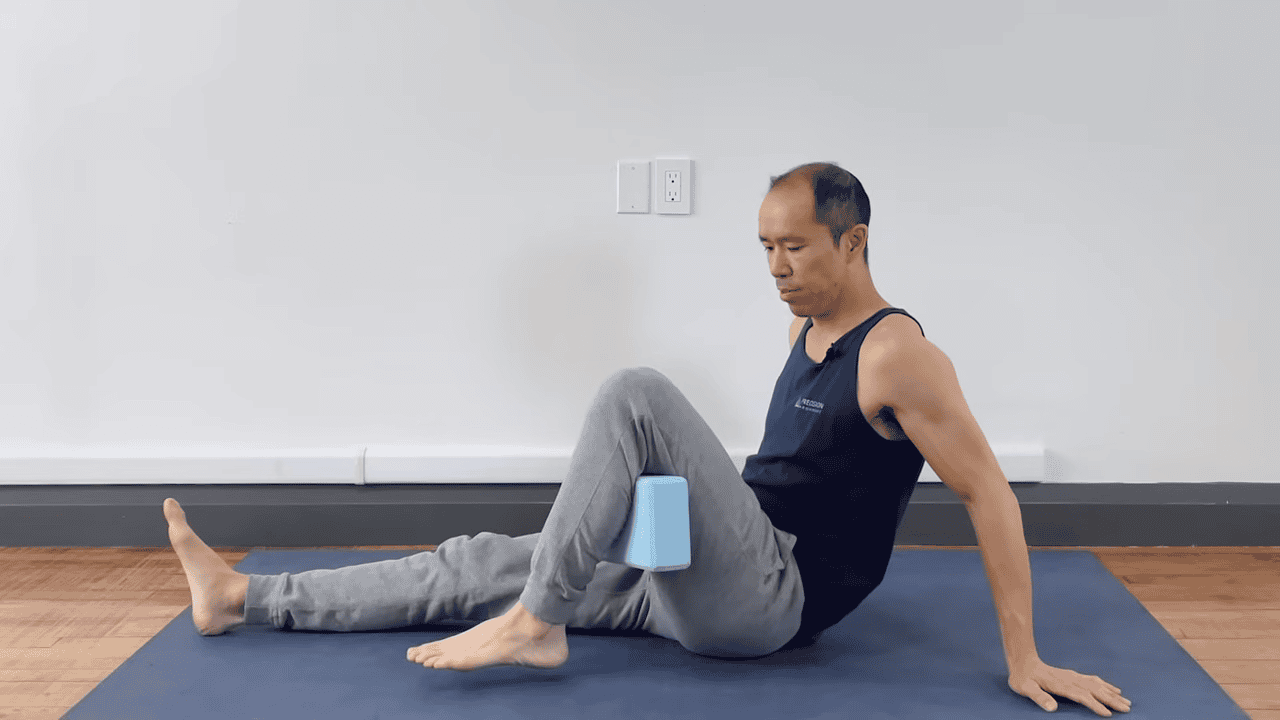
- A yoga block
- A rolled-up towel
- A pair of tightly rolled pants
- Choose an object that you can comfortably grip with your hamstring.
2. Activate Your Hamstring
Before jumping into the main exercise, warm up your hamstrings:

- Sit comfortably with the object placed behind your knee.
- Lift your foot off the ground and gently squeeze the object for 10 seconds.
- Gradually increase tension from 10% to your maximum effort, then release.
- Repeat this activation process three times, ramping up and down each time.
3. Perform the Short Ham Hip Extension

- Begin on all fours, with your hands directly under your shoulders and knees under your hips.
- Place the object behind your knee and squeeze it firmly.
- Maintain tension on the object and lift your foot slightly off the ground.
- Slowly extend your hip while keeping the squeeze.
- Pause at the top for 5 seconds, focusing on activating your glutes.
- Return to the starting position in a controlled manner.
Perform 3–5 reps per leg, gradually increasing your range of motion as you build confidence.
Why This Exercise Works
The Short Ham Hip Extension trains your brain to control your hamstrings without cramping by starting with small, controlled movements. It activates your glutes and hip flexors, shifting the load from your hamstrings and building strength and stability in the shortened range of motion. For best results, progress slowly, focus on movement quality over quantity, and practice consistently 3–5 times per week.
The principles behind the Short Ham Hip Extension can be applied to other muscles prone to cramping, such as the calves or feet. The key is teaching your brain to control those muscles in their most challenging positions.
Conclusion
Hamstring cramps during hip bridges aren’t just uncomfortable—they’re a sign that your muscles need retraining. By incorporating the Short Ham Hip Extension into your routine, you can improve neuromuscular control, reduce cramping, and build strength for pain-free movement.
Ready to take control of your hamstring cramps? Check out the ROM Coach app for more exercises like this, designed to help you move freely and without pain.